

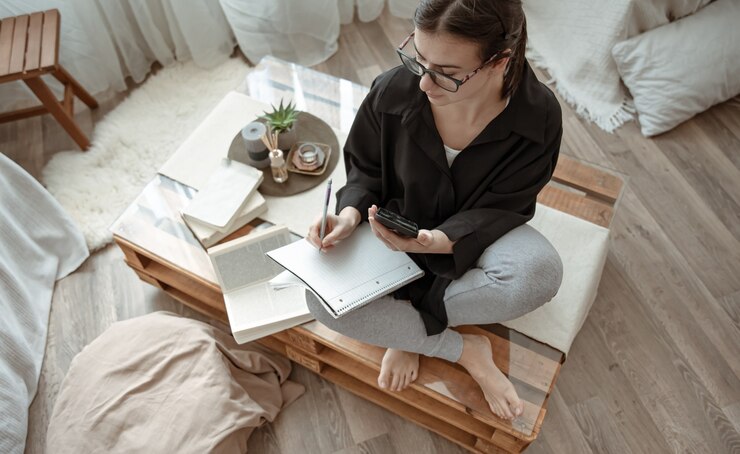
1. Less Is More: The Art of Decluttering
The first step toward minimalism is decluttering. Our homes are often filled with things we don’t really need or that hold little meaning for us.
Start with one room or category, such as clothes or books, and ask yourself: “Do I really need this?”
A helpful rule is the “one-year rule” — if you haven’t used an item in the past year, it’s probably time to let it go.
Avoid keeping things out of emotional attachment. Minimalism doesn’t mean you can’t have memories or sentimental items — it’s about not letting possessions overwhelm your life.
2. Simplicity in Decoration: Less Is More
Minimalism is not only about owning less, but also about reducing visual clutter. Simple decoration creates a calm and clear environment that soothes the mind.
Choose furniture and decor that are both functional and aesthetically pleasing.
Avoid excessive decorations — instead, invest in quality, timeless pieces.
Embrace open space in your home to let the room “breathe” and create a sense of harmony.
3. Less Possession, More Freedom: The Benefits of Minimalism
A minimalist lifestyle is rooted in the idea that owning less leads to greater freedom. By freeing yourself from unnecessary things, you gain not only physical space but also mental clarity.
- Fewer possessions mean less responsibility — fewer things to maintain, organize, and store.
- Less consumption means less time spent shopping and more time for what truly matters — leisure, hobbies, and relationships.
- Minimalism also leads to financial freedom, as you spend less on things you don’t need and invest more in experiences or meaningful relationships.
4. Digital Detox: Reducing Distractions from Technology
In today’s digital world, it’s easy to be overwhelmed by constant notifications, social media, and unnecessary apps. A minimalist approach also includes a digital detox.
- Reduce screen time: Delete apps you don’t use regularly and turn off unnecessary notifications.
- Organize emails and files: A tidy digital space contributes to a clearer mind.
- Set offline times: Be intentional about disconnecting to focus on other activities and avoid the stress of constant availability.
5. Focus on Experiences Instead of Possessions
Minimalism is not just about letting go of things — it’s about shifting focus toward what truly matters: experiences.
Instead of constantly buying new things, invest in experiences that bring long-term joy and memories.
Travel, concerts, shared activities with friends, or learning new skills — these are meaningful experiences that don’t gather dust on a shelf.
Enjoying quality over quantity enriches the moment and life itself.
6. Minimalism in Consumption: Mindful Shopping
A minimalist lifestyle also requires conscious consumer choices.
- Buy only what you truly need and what adds real value to your life.
- Focus on high-quality, durable products instead of cheap, short-lived items.
- Before making a purchase, ask yourself: “Do I really need this?” — this habit helps prevent impulse buying and promotes sustainable living.
7. Minimalism in Finances: Simple and Sustainable Budgeting
Applying minimalism to your finances means freeing yourself from unnecessary expenses and investing your money wisely.
- Create a simple budget that reflects your priorities and focus on essentials.
- Avoid paying for things that don’t add real value to your life.
- Invest in long-term goals such as saving, investing, or paying off debt to achieve financial independence.
8. Simplifying Time Management
Minimalism can also transform how you manage your time. Many people feel overwhelmed by too many obligations and tasks.
- Set priorities and consciously choose activities that matter to you.
- Learn to say no: Protect your time and energy instead of letting external demands take over.
- Simplify your to-do list — focus on quality tasks rather than quantity.
Conclusion: Less Is More — and It’s Liberating
Minimalism is more than just a lifestyle trend — it’s a philosophy that helps you simplify life and focus on what truly matters. By freeing yourself from unnecessary clutter, you gain space not only in your home but also in your mind.
Less possession, fewer distractions, less stress — and more freedom, satisfaction, and clarity.
It’s time to appreciate the essentials and leave excess behind. The path to a minimalist life may be challenging, but the rewards are worth it.